
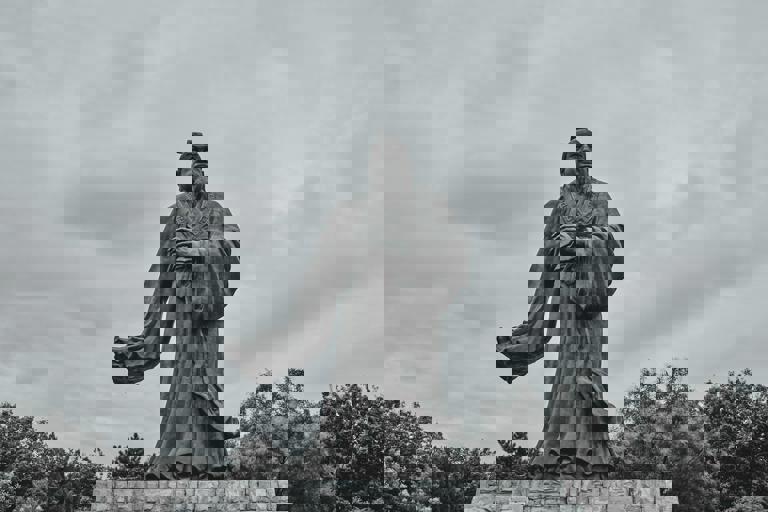
A recently unveiled public art installation in downtown's central park has sparked a vigorous debate among residents, city officials, and local artists. The large-scale sculpture, titled "Skyward Flow," features sweeping steel arcs that tower above existing park pathways, dominating a prominent section of open green space. As crowds gathered to view the installation this past weekend, opinions were immediately divided, with some lauding the bold addition and others voicing concerns about its impact on the park environment.
Supporters of the new artwork argue that "Skyward Flow" brings vibrancy and cultural significance to an otherwise routine urban space. "Public art has the power to transform our cities, encouraging community engagement and offering accessible culture," said Miriam Cho, a representative from the city's arts council. Backers also note that the installation is expected to attract tourists and bolster downtown businesses, potentially driving economic growth in a post-pandemic era.
However, critics of the sculpture claim the installation occupies an excessive portion of the park, limiting open areas used for recreation and community events. "This is our neighborhood’s only major downtown green space," remarked local resident James Kohl. "Taking away the lawn for a permanent artwork reduces spots for families, sports, and relaxation." Some have also pointed out that the construction process temporarily closed off several park amenities and disrupted usual pedestrian routes.
City officials have acknowledged the public's mixed reactions and stressed the importance of dialogue as future park initiatives are planned. Councillor Harpreet Gill addressed the controversy at a recent town hall, stating, "We hear both the excitement and the apprehension from residents. It’s clear we need to strike a careful balance between public art and the everyday use of our shared spaces." The city is now reviewing its public consultation procedures as a result.
Artist Renée Valez, the creator behind "Skyward Flow," shared her perspective on the work’s intention. "My vision was to craft something that mirrors the diversity and dynamism of downtown life—it’s a celebration of our upward energy," she explained at the unveiling. Valez added that park spaces should inspire as well as relax, suggesting art can enhance a community’s emotional connection to public areas.
Environmental advocates have raised questions regarding the ecological footprint of both the sculpture and its associated construction. Members of the Downtown Greenspace Coalition have requested a full impact assessment, citing concerns about disrupted habitats for birds and native plants. "We must ensure that cultural projects are also environmentally responsible," said spokesperson Lila Mendez. City staff have responded by promising to monitor long-term effects on the park’s natural elements.
The installation has also reignited broader discussions about the future direction of city parks and urban development. With the downtown core rapidly densifying, residents are increasingly protective of accessible outdoor spaces. Urban planner Michael Tran suggested, "The challenge is to design parks that fulfill cultural ambitions without sacrificing vital recreational opportunities. This project has shown us how passionate people are about that balance."
Looking ahead, the city plans to launch a series of public forums to gather wider input on future park improvements and urban art initiatives. Officials have assured residents that their feedback will play a critical role in upcoming decisions. As opinions fluctuate and debate continues, "Skyward Flow" stands as a testament to both the possibilities and complexities of integrating public art into the evolving landscape of shared community spaces.